
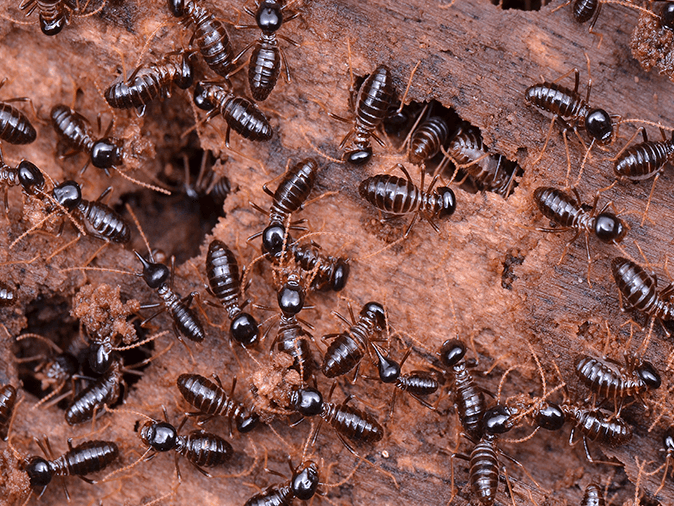
 Subterranean termites are silent invaders that can cause significant damage to your property without your knowledge. These elusive pests often live underground, making it difficult to detect their presence until the damage becomes apparent. By being aware of the signs of subterranean termite infestations, you can take prompt action to protect your home or business. In this article, we will explore the tell-tale signs that indicate the presence of these destructive insects.
1. Mud Tubes
One of the most noticeable signs of subterranean termite infestations is the presence of mud tubes. These pencil-thin, tunnel-like structures are constructed by termites for protection and to maintain a moist environment while they forage for food. Mud tubes can be found on foundation walls, in crawl spaces, or along exterior walls. If you come across these tubes, it is a strong indication of termite activity.
2. Wood Damage
Subterranean termites feed on cellulose, which is present in wood and other plant materials. As they consume wood from the inside out, they weaken the structural integrity of wooden structures. Look out for hollow-sounding or damaged wood, especially in areas that are in contact with the ground or have a high moisture content. Termite-damaged wood may appear blistered, cracked, or have maze-like patterns on the surface.
3. Swarmers
Swarmers, also known as alates or reproductive termites, are winged adult termites that emerge from colonies to establish new ones. These flying termites are often the first sign of a mature termite infestation. If you notice winged insects around your property, particularly during the spring or early summer, it is crucial to investigate further as these could be termite swarmers seeking to start a new colony.

4. Discarded Wings
After a termite swarm, you may find discarded wings near windowsills, doorways, or other entry points. As swarmers shed their wings after finding a suitable mate and a location for a new colony, these discarded wings are a clear indication of termite activity nearby. Collecting and examining these wings can help identify the type of termite present, aiding in appropriate treatment measures.
5. Frass
Subterranean termites produce tiny wood-colored or dark-colored pellets called frass. These pellets consist of termite excrement and partially digested wood. You may notice small piles of frass near termite-infested areas such as damaged wood or inside tunnels. Pay attention to any accumulation of frass, as it is a strong indicator of an active termite infestation.
6. Sagging Floors or Bubbling Paint
As subterranean termites consume wood and cause structural damage, it can lead to visible consequences such as sagging floors or bubbling paint. If you notice that your floors feel spongy or seem to sag, it may be due to termite-induced damage. Similarly, paint that appears distorted or has air bubbles forming on the surface may be an indication of termites feeding and creating tunnels behind the walls.
Conclusion
Being able to identify the tell-tale signs of subterranean termite infestations is essential for early detection and effective treatment. Regular inspections of your property, both indoors and outdoors, can help you spot these signs and take prompt action to prevent extensive damage.
If you suspect termite activity, it is recommended to seek professional assistance from a licensed pest control company. Remember, staying alert and informed about the signs of subterranean termite infestations is key to safeguarding your property from these destructive pests.


