
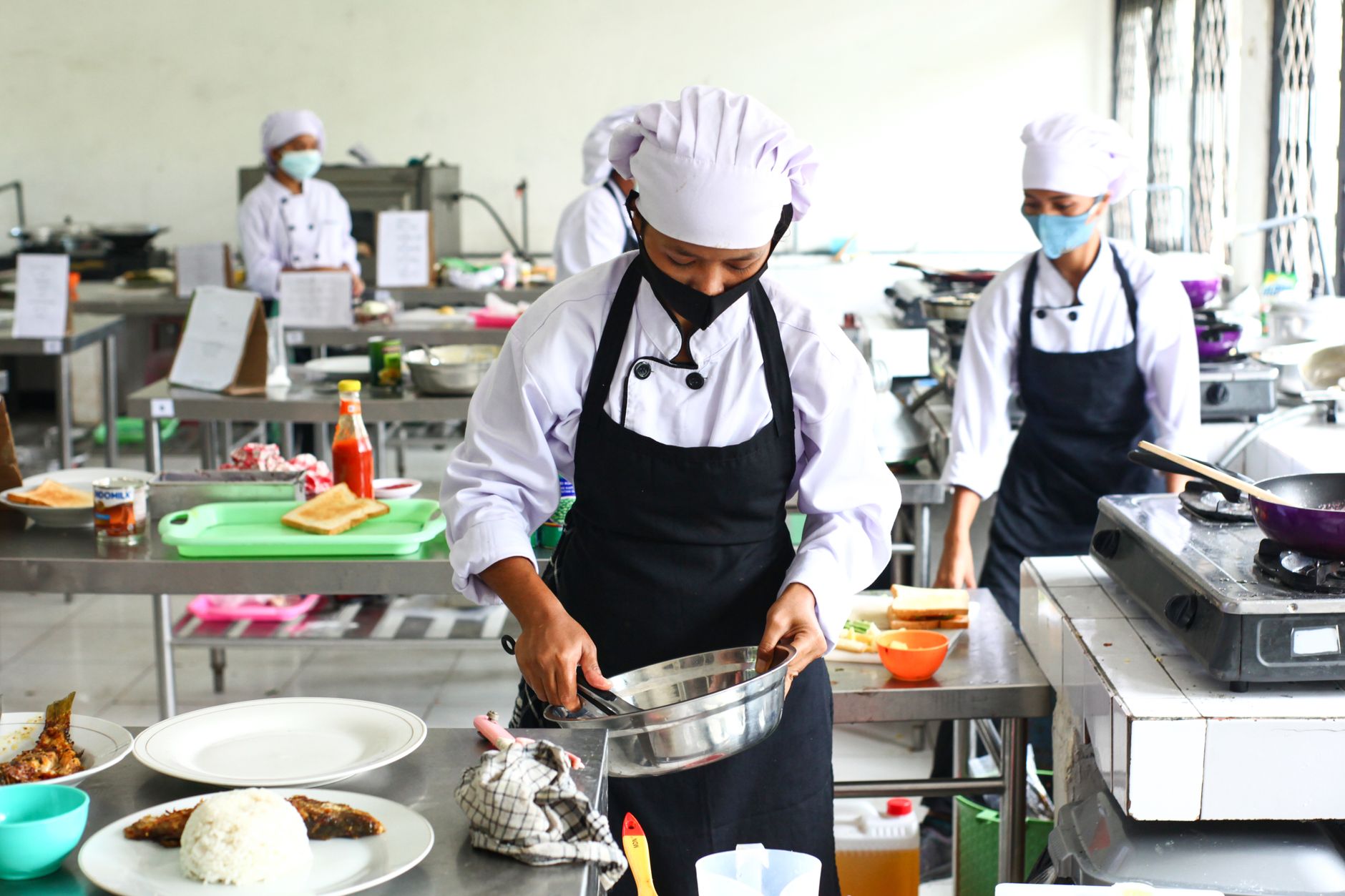
Indonesia free school meals have recently caused a health crisis, with more than 1,700 students falling ill within three days. This alarming situation raises questions about food safety and quality standards in school meal programs.
Overview of the Incident
In recent days, Indonesia has faced a troubling incident related to its free school meals program. More than 1,700 students reported falling ill after consuming meals provided under this initiative, raising significant concerns about food safety and quality control. The incident occurred across several regions, with reports of symptoms ranging from mild gastrointestinal discomfort to more severe reactions.
The free school meals program, aimed at improving nutrition and encouraging school attendance, has now come under scrutiny. Critics have questioned the sourcing and preparation of the meals, highlighting the need for stricter regulations to ensure the safety of food provided to children.
- Initial investigations revealed potential contamination in the food supply chain.
- Health authorities have launched a thorough inquiry into the incident.
- Parents and educators are demanding immediate reforms to the program.
This incident serves as a critical reminder of the importance of food safety, particularly in programs designed to support vulnerable populations such as children.
Impact on Students and Families
The recent incident involving Indonesia’s free school meals program has had significant repercussions for students and their families. Over 1,700 children fell ill within a few days after consuming the provided meals, leading to widespread concern among parents and educators alike.
This alarming situation has raised questions about the safety and quality of the food supplied in schools. Many families, who rely on these meals as a critical source of nutrition, are now worried about the health risks posed to their children. The free school meals initiative was designed to improve access to nutrition and support educational success, but this outbreak has undermined those goals.
Parents have expressed their frustration, emphasizing the importance of ensuring that school meals are not only free but also safe and nutritious. The incident has prompted calls for a thorough investigation and immediate reforms to restore trust in the program.
- Increased health concerns among families
- Calls for improved food safety standards
- Need for transparency in food sourcing
Government Response to the Crisis
In response to the alarming rise in illness among students, the Indonesian government has launched an immediate investigation into the free school meals program. Officials have acknowledged the severity of the situation, with over 1,700 students falling sick within just three days of consuming the provided meals. Health Minister Budi Gunadi Sadikin stated that ensuring the safety of food distributed in schools is a top priority.
The government has outlined several steps to address the crisis:
- Conducting thorough inspections of food suppliers involved in the program.
- Implementing stricter food safety regulations to prevent future incidents.
- Collaborating with local health authorities to provide immediate medical assistance to affected students.
- Communicating transparently with parents and schools about the situation and preventive measures.
Despite the intent behind Indonesia’s free school meals initiative, the recent events have raised serious concerns about food safety and quality, prompting calls for reform in the program.
Future of School Meal Programs in Indonesia
The future of school meal programs in Indonesia appears uncertain following the recent crisis that left over 1,700 students ill. As the government seeks to address the fallout from the incident, several critical factors must be considered to restore trust in the initiative.
Firstly, quality control measures need to be significantly improved. Ensuring that meals provided in schools meet safety standards is essential to prevent future health issues. This includes regular inspections and rigorous testing of meal ingredients.
Secondly, community involvement is crucial. Engaging parents and local organizations can enhance transparency and accountability within the program. Feedback from families can also help tailor the meals to better meet nutritional needs.
Lastly, the government must prioritize education on nutrition for both students and families. By promoting healthy eating habits, the program can contribute positively to the overall well-being of children across Indonesia. The future of the Indonesia free school meals initiative depends on these proactive measures.
The rollout of Indonesia free school meals faced numerous challenges, leading to widespread criticism from parents and educators alike. Many argue that the implementation of Indonesia free school meals was poorly planned and lacked adequate funding.
Photo by Sony Feo on Pexels
