
Introduction
As artificial intelligence adoption accelerates worldwide, enterprises are investing heavily in GPU cloud infrastructure to support AI training, inference, machine learning, and large-scale data processing. However, one important factor that many businesses overlook is regional GPU cloud pricing.
GPU cloud costs can vary significantly depending on the geographic region where the infrastructure is hosted. In some cases, the same GPU configuration may cost 20% to 70% more in one region compared to another. Understanding these regional pricing differences helps enterprises optimize costs, improve performance, and make smarter infrastructure decisions.
What Is GPU Cloud Pricing?
GPU cloud pricing refers to the cost of renting GPU powered computing resources through cloud providers instead of purchasing physical hardware. Businesses use these services for:
- AI model training
- Generative AI applications
- Deep learning workloads
- High-performance computing
- Video rendering and simulations
Pricing usually depends on:
- GPU type
- Storage capacity
- Networking requirements
- Usage duration
- Geographic region
Among these factors, regional location has become increasingly important in determining total infrastructure costs.
Why GPU Cloud Prices Differ by Region
Several economic and infrastructure-related factors influence regional GPU pricing.
1. Electricity Costs
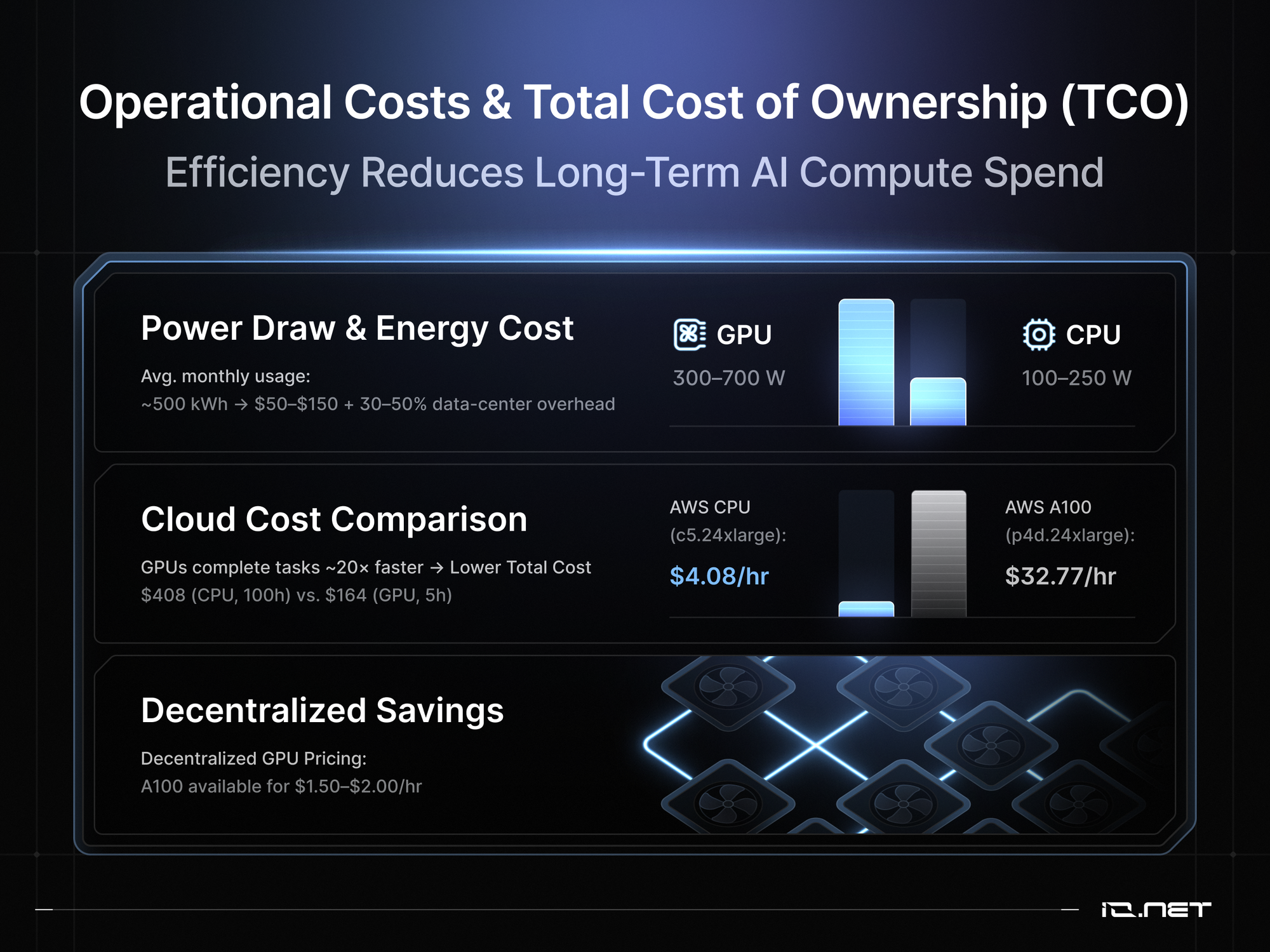
GPU clusters consume enormous amounts of power. High-performance GPU such as NVIDIA H100 systems require substantial electricity and cooling infrastructure.
Regions with higher electricity prices naturally charge more for GPU cloud services.
Example Factors:
- Local energy prices
- Cooling requirements
- Climate conditions
- Power grid efficiency
Industry reports show that identical AI workloads can have dramatically different operating costs depending on regional electricity rates.
2. Data Center Infrastructure Costs
Building and operating AI-ready data centers is expensive. Regional costs for land, labor, construction, and maintenance directly affect cloud pricing.
Higher-Cost Regions Often Include:
- Major metropolitan areas
- Regions with limited data center capacity
- Areas with strict infrastructure regulations
On the other hand, regions with abundant land and lower operational costs can offer more competitive GPU pricing.
3. GPU Availability and Demand
Demand for GPU varies significantly across global markets. Popular cloud regions with strong AI adoption often experience GPU shortages, leading to higher pricing.
High-Demand Regions Typically Include:
- North America
- Western Europe
- Large enterprise AI hubs
In contrast, emerging cloud regions may offer lower pricing to attract customers and increase utilization rates.
4. Regulatory and Compliance Requirements
Certain industries require data to remain within specific geographic boundaries due to compliance regulations.
Examples Include:
- Financial services
- Health care organizations
- Government agencies
Regions with stricter compliance standards may involve additional security, auditing, and infrastructure costs, increasing GPU cloud pricing.
5. Network Latency and Performance
While lower-cost regions may seem attractive, businesses must also consider latency and application performance.
For real-time AI applications, choosing a distant region can increase response times and reduce efficiency.
Latency-Sensitive Workloads Include:
- AI chat systems
- Real-time inference
- Financial trading systems
Enterprises often balance cost savings against performance requirements when selecting GPU regions.
Conclusion
Regional differences in GPU cloud pricing play a major role in enterprise AI infrastructure planning. Electricity costs, data center operations, demand levels, compliance requirements, and network latency all contribute to pricing variations across global regions.
By understanding these factors, enterprises can make smarter infrastructure decisions, optimize operational costs, and improve AI performance. As global AI adoption continues to expand, regional pricing strategies will become increasingly important for organizations seeking efficient GPU cloud solutions.

